Understanding Different Forms of Cultural Participation
Cultural participation encompasses a variety of activities that allow individuals to engage with and contribute to the cultural landscape of their communities. Understanding these forms can enhance social engagement and foster a sense of belonging among participants.
What is Cultural Participation?
Cultural participation typically refers to the ways in which individuals engage with cultural events, activities, and organizations. According to research conducted by the National Endowment for the Arts, participation in cultural activities can significantly boost community cohesion and individual well-being.
"Engaging in cultural activities can lead to improved mental health and increased social connections," states the National Endowment for the Arts.
Different Forms of Cultural Participation
There are several forms of cultural participation, each offering unique benefits and engagement opportunities:
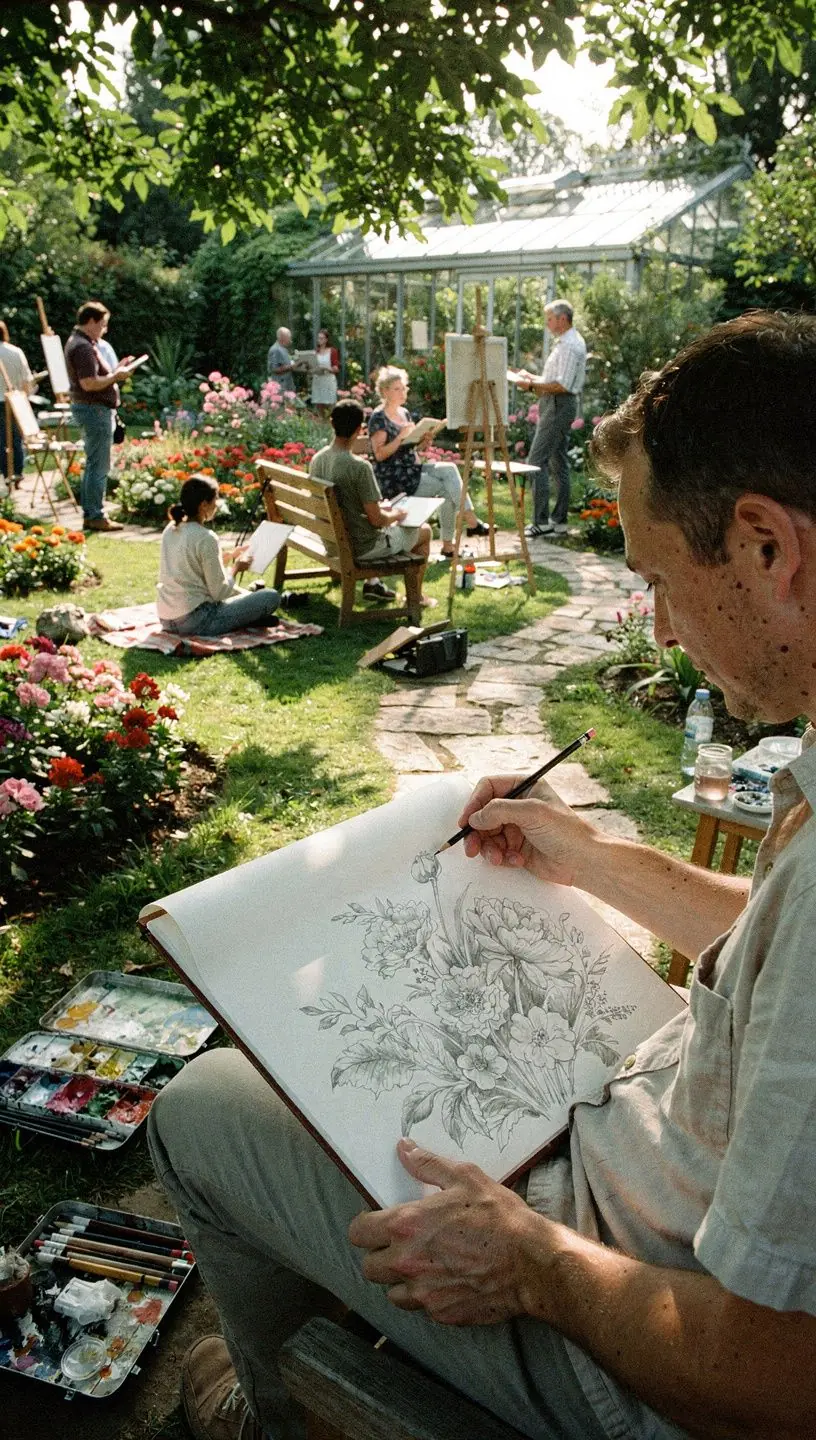
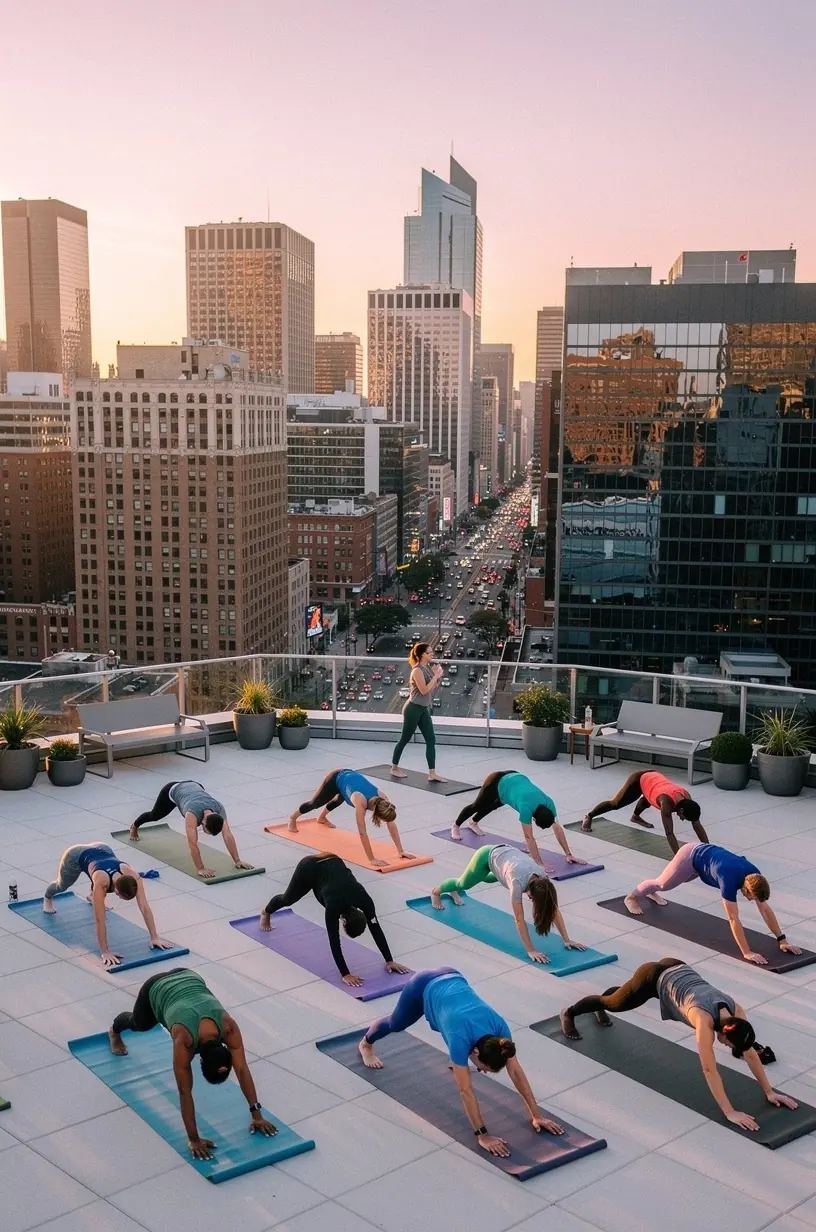
- Active Participation: This involves directly engaging in cultural activities, such as performing in a community theater, joining a local choir, or participating in art classes. Research indicates that active involvement can lead to a deeper personal connection to the cultural community.
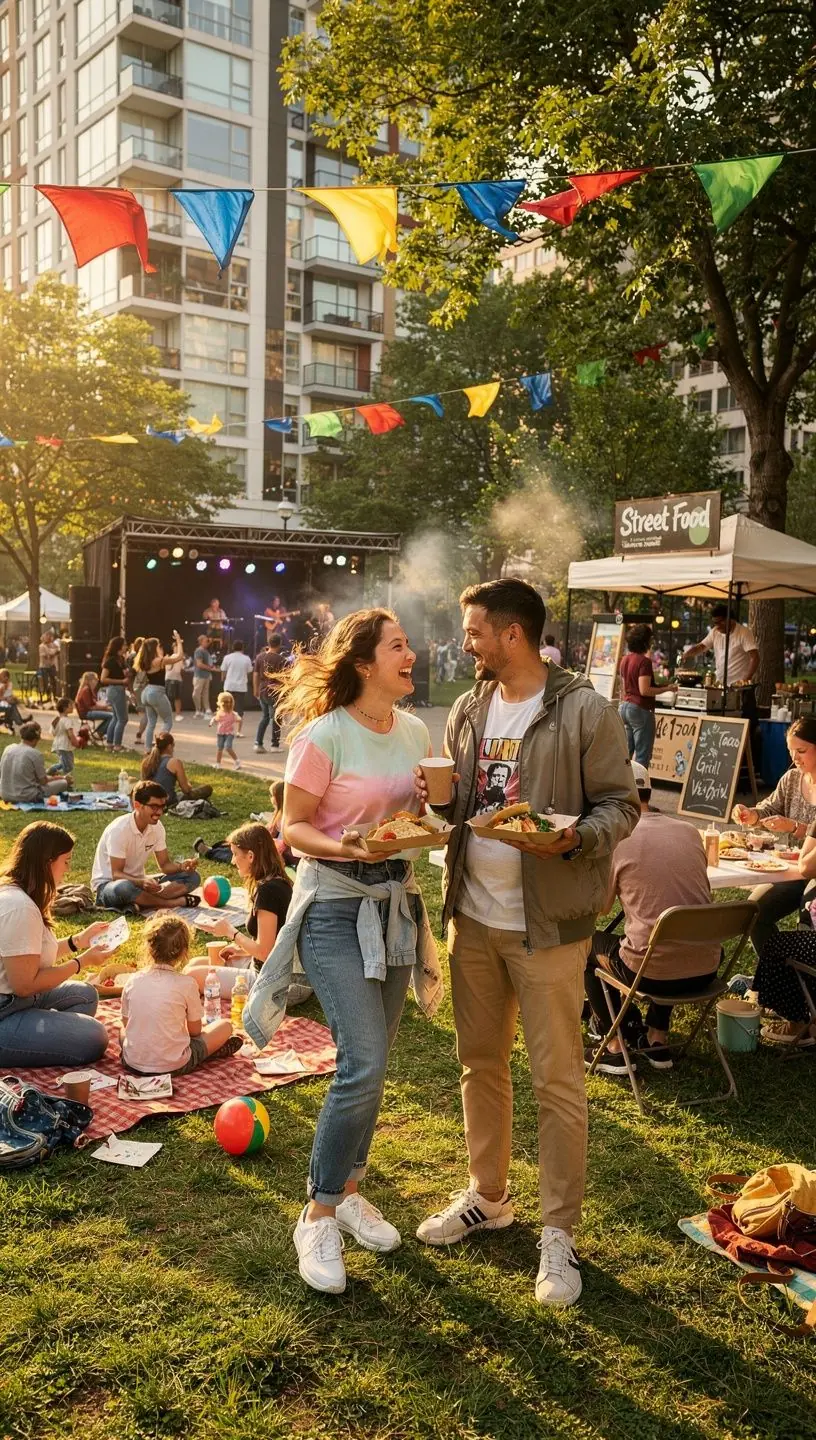
- Audience Participation: Attending events like concerts, exhibitions, and festivals falls under this category. Studies show that regular attendance at cultural events can enhance one’s appreciation for the arts and promote social interaction.
- Volunteering: Many cultural organizations rely on volunteers. Engaging in volunteering not only supports local arts but also allows individuals to build valuable skills and networks. Experts recommend that volunteering can be particularly beneficial for personal growth and community ties.
Benefits of Cultural Participation
The benefits of cultural participation are multifaceted. Engaging in these activities can:
- Enhance Creativity: Participation in cultural activities often stimulates creative thinking. According to a study by the Arts Council, individuals who engage in cultural activities often report increased creative output in various areas of their lives.
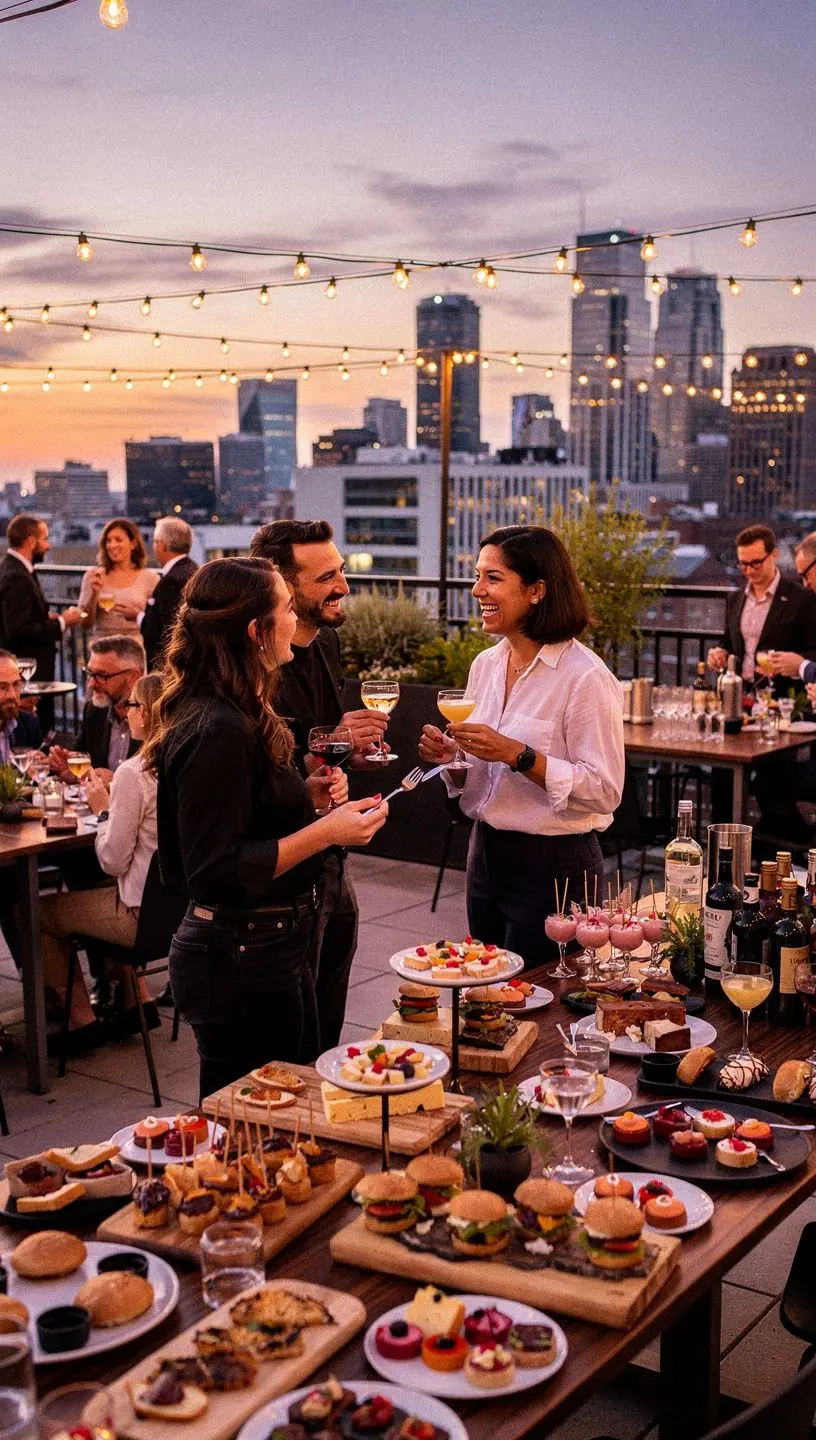
- Boost Social Connections: Many users report that participating in cultural events fosters new friendships and connections. This is especially true in group settings, where individuals share common interests.
- Improve Well-Being: Research shows that cultural engagement can lead to improved mental health outcomes, including reduced feelings of loneliness and enhanced emotional resilience.
Challenges to Cultural Participation
Despite the benefits, barriers to cultural participation do exist. Factors such as time constraints, lack of accessibility, and financial limitations can hinder involvement in cultural activities. Acknowledging these challenges is crucial for organizations looking to promote participation.
Conclusion
Understanding the different forms of cultural participation can help individuals find ways to engage with their communities meaningfully. By acknowledging the barriers and emphasizing the benefits, we can encourage more people to participate in cultural activities. In most cases, the rewards of such participation, including improved well-being and social connections, can significantly enhance quality of life.
Discover More