Exploring the History of Public Space Activism
Public space activism has played a crucial role in shaping urban environments across the United States. This article delves into its history, significance, and the various movements that have emerged over the years, providing a comprehensive overview of how these initiatives impact community engagement and cultural development.
Understanding Public Space Activism
Public space activism refers to the efforts made by individuals and groups to reclaim, enhance, or create public spaces for community use. According to urban studies, these movements typically focus on promoting accessibility, inclusivity, and sustainability within urban environments. Experts in the field argue that effective public space activism can lead to improved quality of life for urban residents.
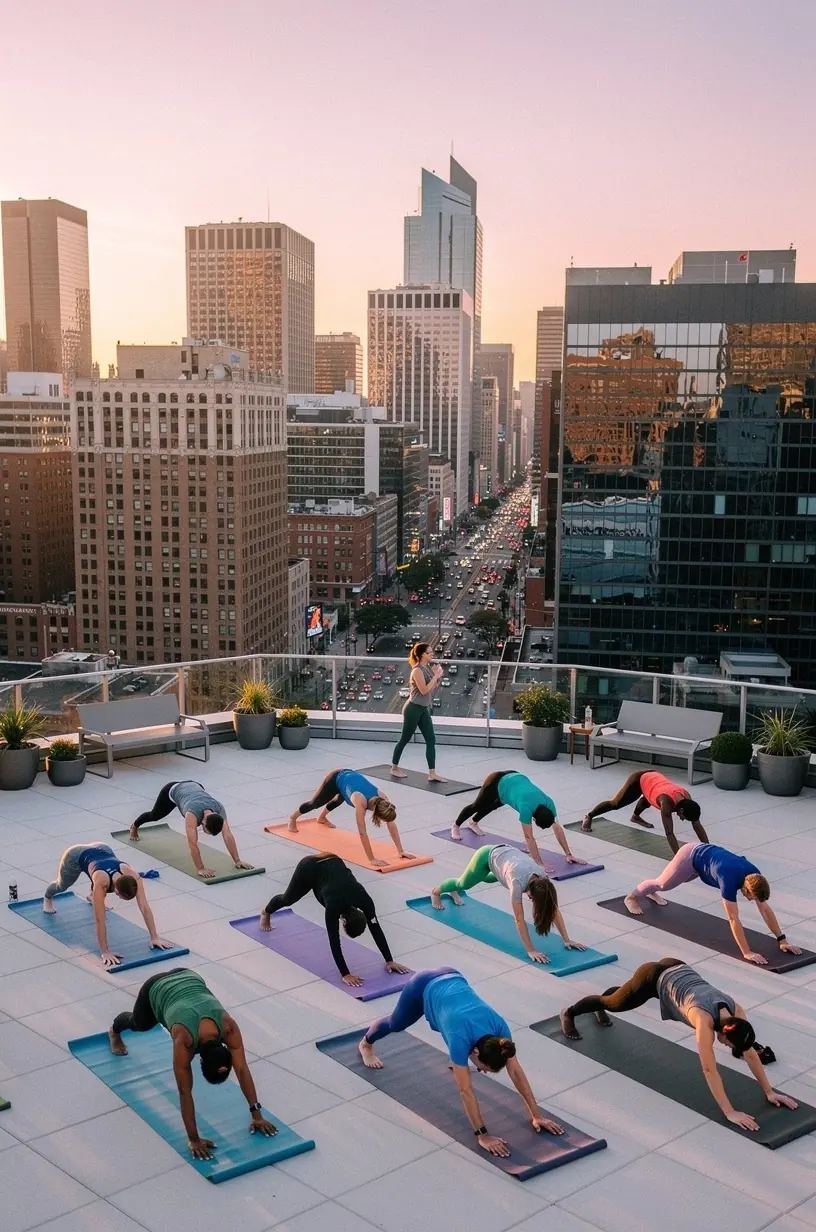
"The transformation of public spaces can foster a sense of community and belonging, which are essential for social engagement." - Urban Planning Expert
A Brief History
The history of public space activism in the United States can be traced back to the early 20th century, with movements like the City Beautiful movement, which aimed to improve urban aesthetics and promote civic pride. In the 1960s, activists began advocating for the right to public space as cities became more congested and dominated by automobile traffic. Research indicates that many of these movements highlighted the importance of pedestrian-friendly environments.
The 1970s to 1990s: A Growing Awareness
From the 1970s onward, public space activism gained momentum, particularly with the rise of environmentalism and urban gardening initiatives. Studies show that community gardens can improve urban biodiversity, enhance food security, and strengthen community ties. Groups like GreenThumb in New York City exemplified how grassroots efforts can convert neglected lots into thriving gardens, showcasing the potential of community-led public space projects.
21st Century Movements
In recent years, public space activism has expanded to include diverse forms of protest and advocacy. Movements such as Park(ing) Day encourage citizens to temporarily transform metered parking spaces into public parks, highlighting the need for green spaces in urban areas. Additionally, the Black Lives Matter movement has brought renewed attention to public spaces as sites for protest and social change.
Practical Applications of Public Space Activism
- Engaging in community forums or town hall meetings can help articulate the needs and desires of residents regarding their public spaces.
- Participating in or organizing local events centered around public space use, such as pop-up markets or art installations, can raise awareness and foster community connections.
- Establishing partnerships with local organizations or government entities can enhance the effectiveness of public space initiatives and align them with broader urban planning goals.
Challenges and Considerations
While public space activism can bring about meaningful change, it often comes with challenges. Activists may face resistance from local governments or developers who prioritize commercial interests over community needs. Additionally, the success of public space initiatives typically requires sustained effort and engagement from community members, which can take time to build.
Conclusion
Public space activism has a rich history in the United States, marked by the efforts of individuals and groups seeking to reclaim and enhance urban environments. By engaging in these initiatives, communities can foster inclusivity, encourage cultural participation, and promote social engagement. While challenges exist, the potential for positive change remains significant, making public space activism a vital aspect of contemporary urban life.
Discover More