Practical Steps for Hosting Cultural Exchange Events
Cultural exchange events play a vital role in fostering understanding and appreciation among diverse communities. Hosting these events can seem daunting, but with the right planning and execution, they can be rewarding experiences for all involved. This article outlines practical steps to help you successfully host a cultural exchange event.
Understanding the Importance of Cultural Exchange
According to research conducted by the National Endowment for the Arts, cultural exchange events can enhance social cohesion and promote intercultural dialogue. These gatherings often help participants develop a deeper appreciation for different customs, traditions, and perspectives.
"Cultural exchange fosters mutual understanding and respect, which are essential in today’s diverse society."
Step 1: Define Your Objectives
Before diving into logistics, consider what you aim to achieve with your event. Industry experts suggest that clear goals can guide your planning process and help measure success. Common objectives may include:
- Promoting cultural awareness
- Facilitating community engagement
- Sharing artistic expressions
Step 2: Choose the Right Format
The format of your cultural exchange event can significantly impact its success. Options include workshops, community festivals, or panel discussions. Each format typically requires different levels of planning, so it's crucial to choose one that aligns with your goals. For instance:
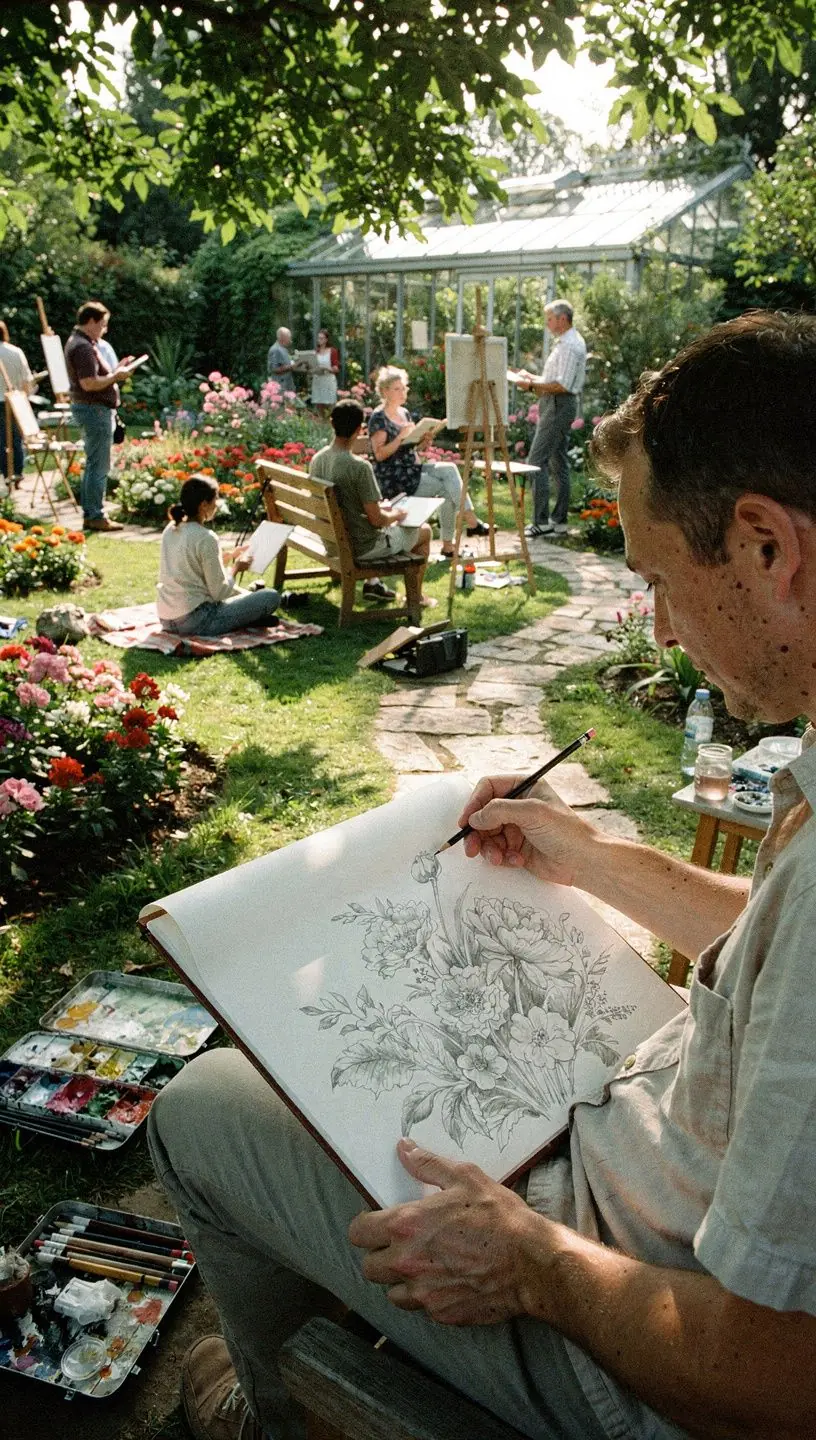
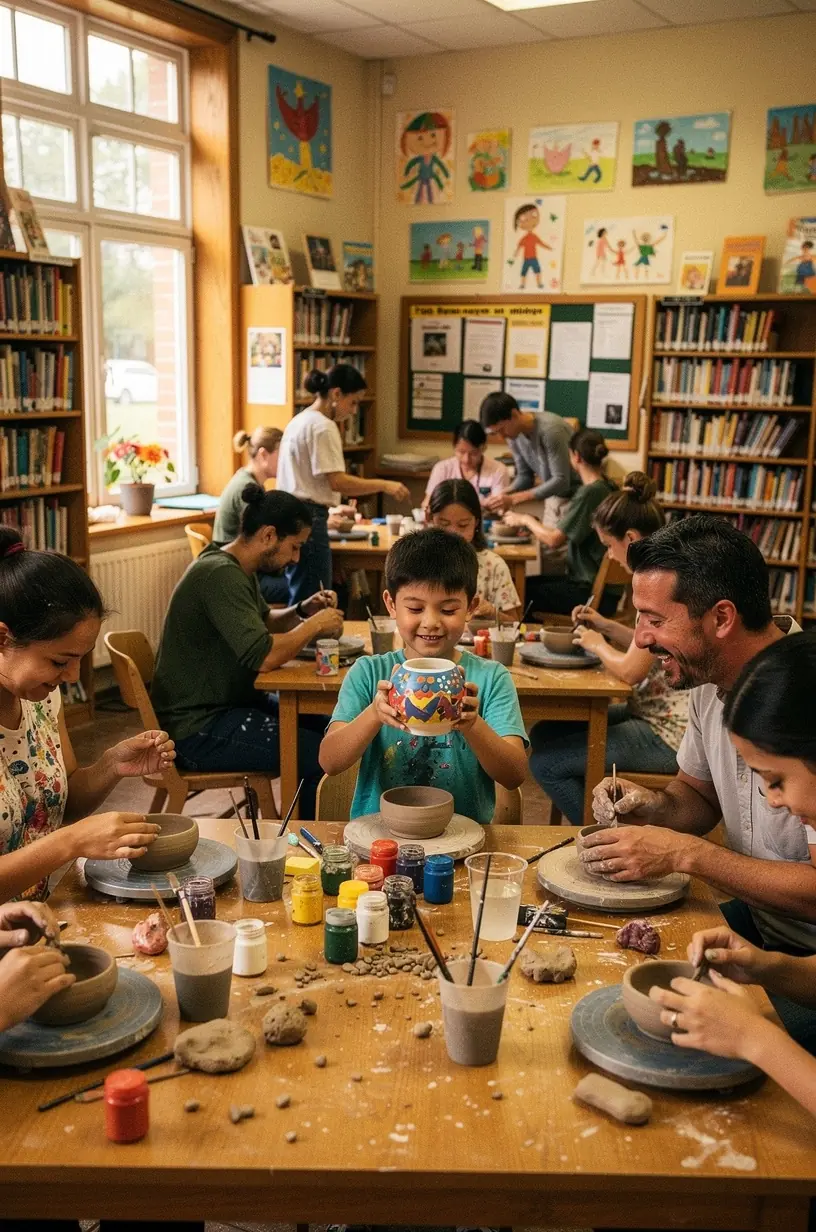
- Workshops: Ideal for hands-on learning experiences.
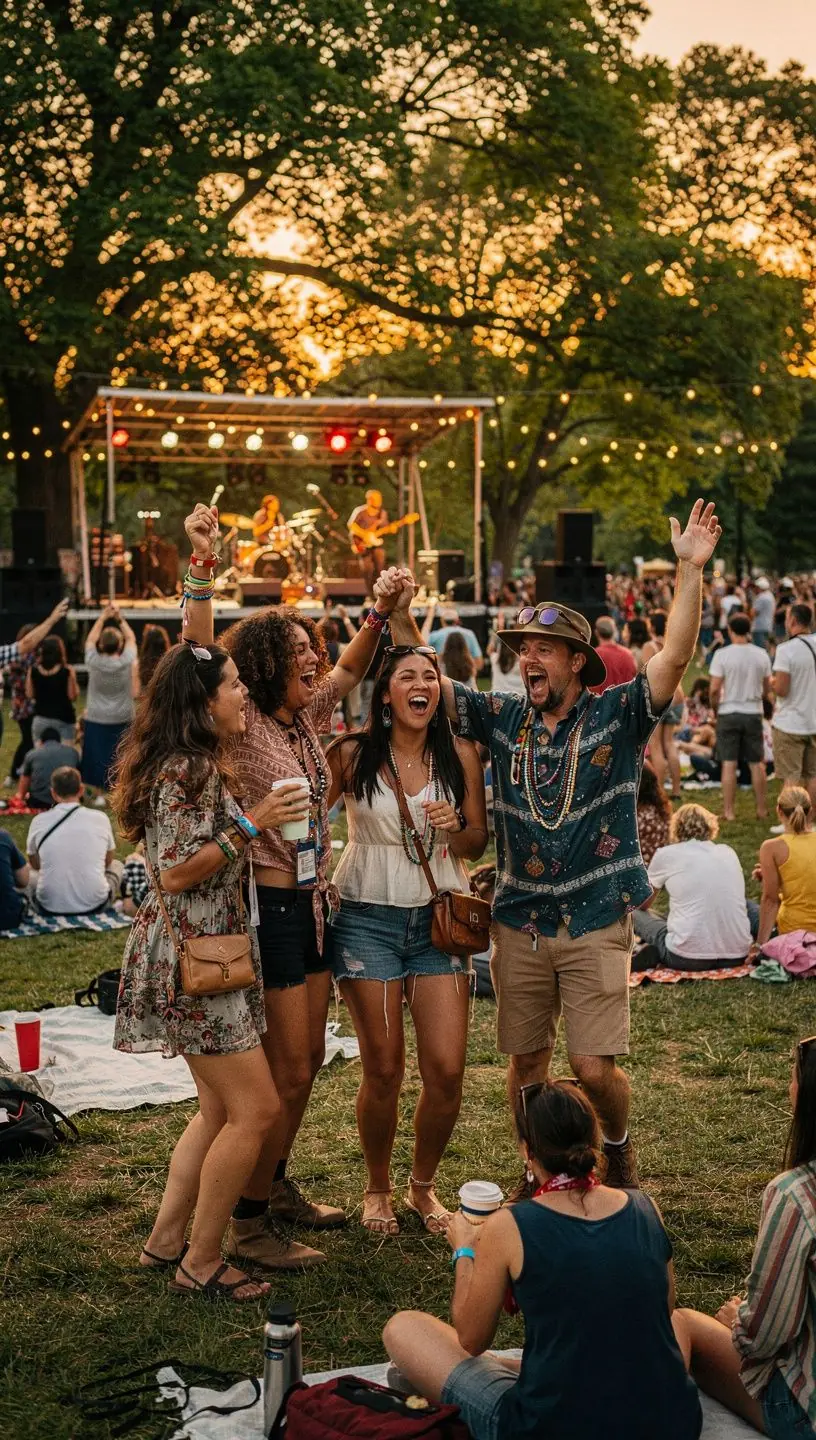
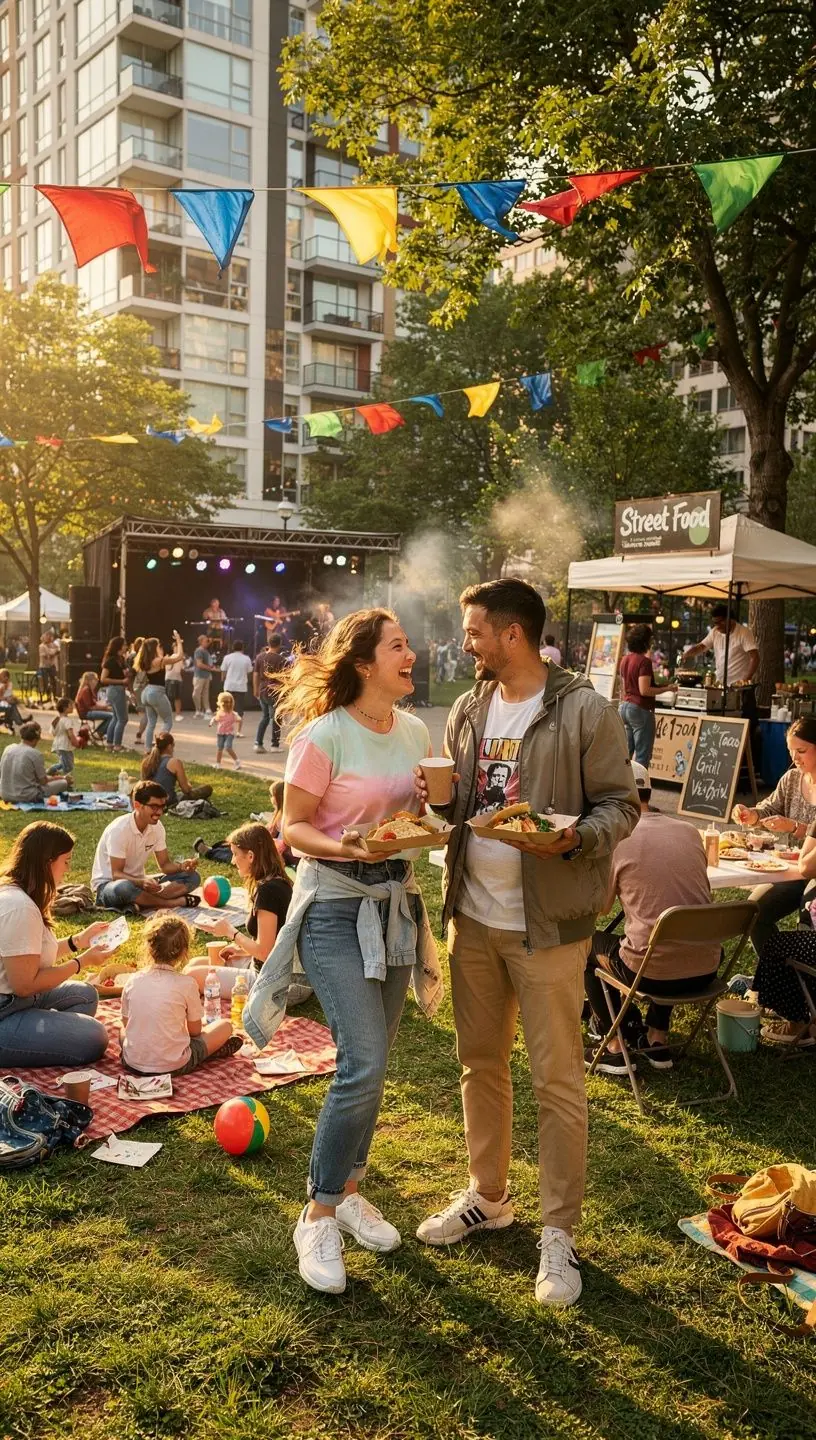
- Festivals: Great for larger audiences and interactive displays.
- Panel Discussions: Suitable for in-depth conversations and academic exchanges.
Step 3: Engage with the Community
Engaging with local community members and cultural organizations can provide invaluable insights and support. Research indicates that events are more successful when they involve local stakeholders. Consider reaching out to:
- Cultural organizations
- Local artists and performers
- Community leaders
Step 4: Plan for Logistics
Effective event planning involves meticulous attention to detail. Typically, this phase includes:
- Selecting a suitable venue that reflects the theme of your event.
- Organizing transportation and accommodations for participants, if necessary.
- Coordinating marketing efforts to attract attendees.
Keep in mind that planning can take anywhere from a few weeks to several months, depending on the scale of your event.
Step 5: Promote Your Event
Promotional strategies can significantly affect attendance. Experts recommend using a mix of online and offline methods, such as:
- Social media campaigns targeting local communities
- Flyers and posters in community centers and local businesses
- Collaborations with local influencers to broaden reach
Conclusion
Hosting a cultural exchange event is a rewarding endeavor that requires careful planning and community involvement. By defining your objectives, choosing the right format, engaging with the community, and managing logistics effectively, you can create an event that fosters mutual understanding and enriches cultural appreciation. Remember, while challenges may arise, the positive impact of connecting diverse cultures is often well worth the effort.