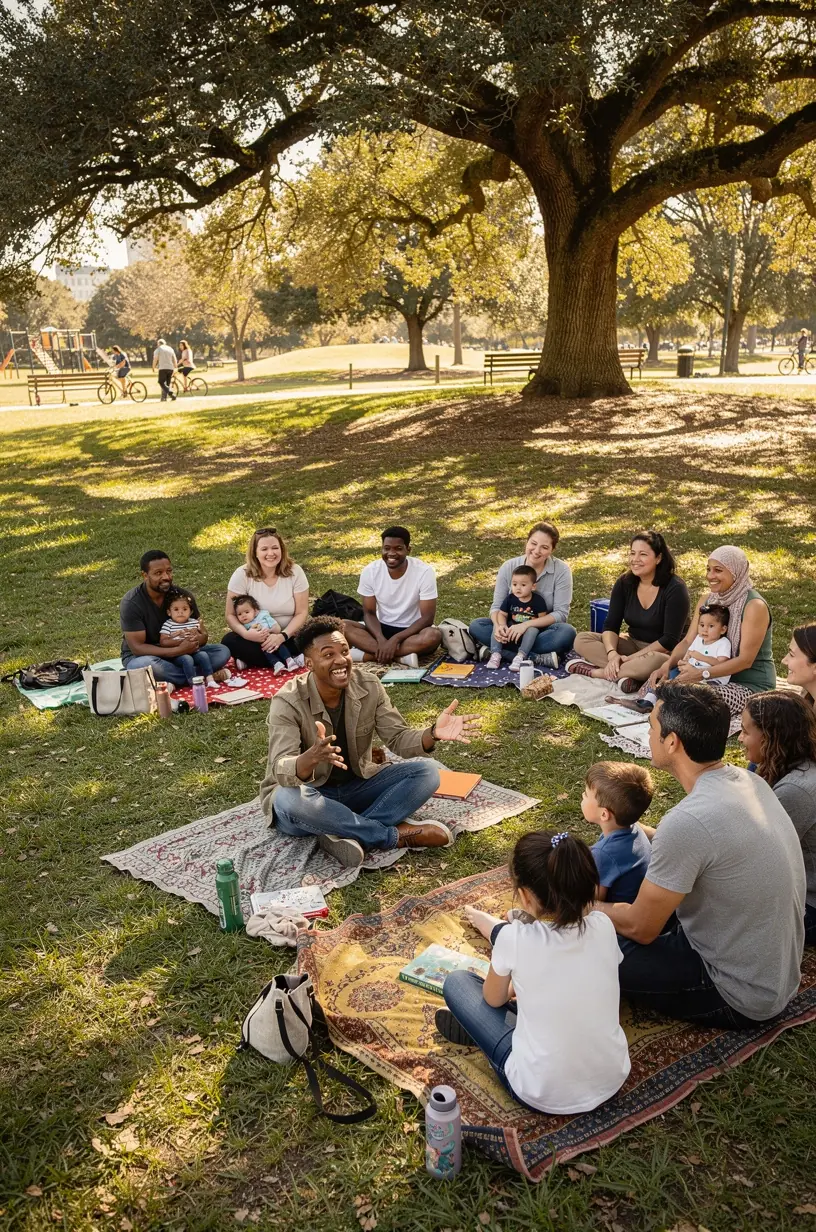
How Community Engagement Shapes Cultural Identity
In the vibrant tapestry of American life, community engagement plays a crucial role in shaping cultural identity. This article explores how active participation in local events and initiatives contributes to a shared sense of belonging and cultural expression.
Understanding the Role of Community Engagement
Community engagement refers to the ways that individuals connect with, participate in, and contribute to their local environments. Research indicates that active participation in community activities fosters social networks and strengthens ties among residents, which are essential for a cohesive cultural identity. According to community development experts, these connections are vital for creating a supportive cultural framework.
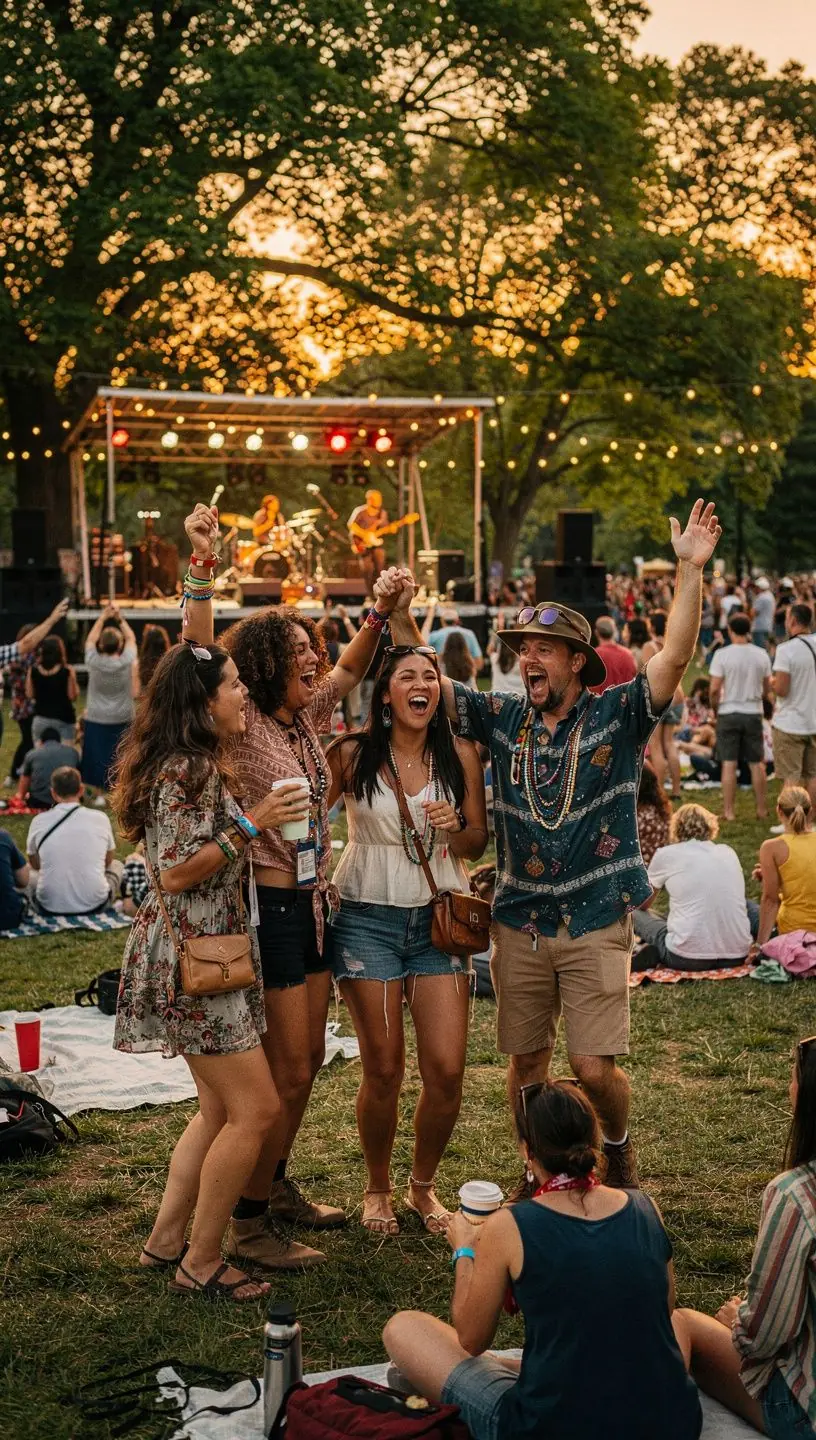
"Community engagement not only enhances individual well-being but also cultivates a richer cultural identity within neighborhoods." - Community Development Expert
How Engagement Influences Cultural Identity
When individuals actively engage in their communities, they often participate in cultural events, festivals, and local projects that reflect shared values and traditions. This engagement can take many forms, including:
- Participating in Local Arts: Many communities host art shows, theater productions, and music festivals that celebrate local talent. These events often draw diverse audiences, creating a shared cultural experience.
- Volunteering for Community Projects: Involvement in community service initiatives helps residents learn about local issues and cultural history, fostering a deeper connection to their community's identity.
- Attending Cultural Celebrations: Festivals celebrating specific cultural heritages encourage cross-cultural interactions, promoting a broader understanding of various traditions and values.
Real-World Examples
Numerous communities across the U.S. demonstrate the impact of engagement on cultural identity. For instance, cities like New Orleans showcase their unique cultural heritage through annual events such as Mardi Gras, which not only celebrate local traditions but also engage residents and visitors alike in a shared cultural experience. According to studies, these types of events can significantly enhance community pride and identity.
Challenges and Considerations
While community engagement is beneficial, it is essential to acknowledge the limitations and challenges involved:
- Engagement often requires a commitment of time and resources. Planning and executing community events can be time-consuming and may not be feasible for everyone.
- Participation levels can vary, which might lead to a lack of representation from all community segments. It is important that efforts are made to include diverse voices in cultural expressions.
- Some community initiatives may not resonate with all residents, highlighting the need for inclusive programming that addresses a wide range of cultural backgrounds.
Conclusion
Community engagement is a vital component in shaping cultural identity, providing opportunities for individuals to connect, share, and celebrate their diverse backgrounds. By participating in local activities and initiatives, residents can contribute to a rich cultural tapestry that reflects the unique character of their communities. Emphasizing inclusivity and accessibility in these engagements is crucial for fostering a cultural identity that resonates with all members of the community.